More notable folks
A village is
its people.
A governor and a herb doctor, a Baptist educator and a frontier nurse who kept a roadside inn. Four lives that shaped the Oconee valley, and whose traces are still tended at Scull Shoals today.
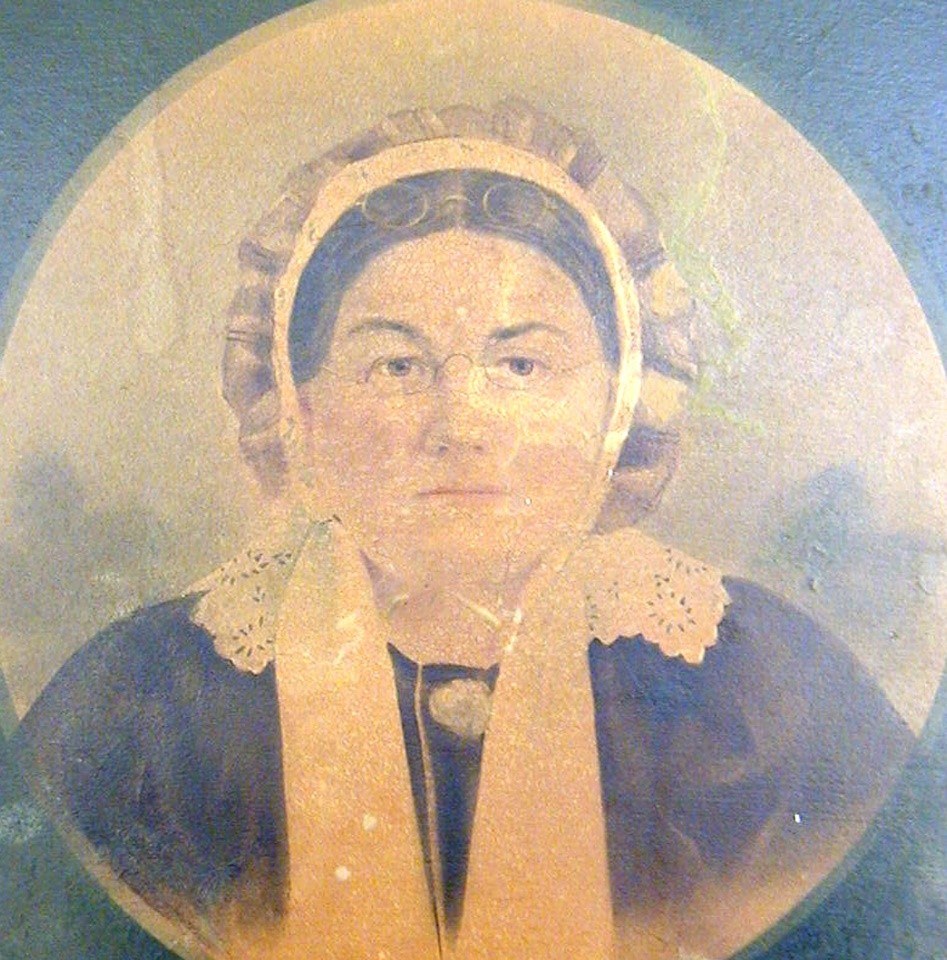
Four lives
Choose a name to read their story
Lindsey & Martha Durham
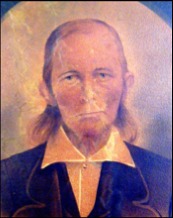
Lindsey and Martha Durham ran an amazing herb-based, multi-cultural physician practice and clinic as a family, treating patients from across the Georgia piedmont from their home near the shoals.
Their sanitarium drew the sick and the curious along the same roads that carried cotton to the mill. Remedies came from the woods and the garden: bark, root, leaf and berry, prepared and dosed by a family who learned medicine by watching, reading and remembering.
Martha’s role was no smaller than her husband’s. The practice was a household economy of gathering, drying, steeping and nursing, carried on alongside farm work and the constant traffic of patients.
The Durham herb garden
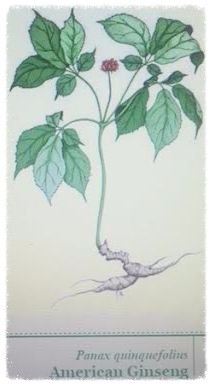
Industrious Friends of Scull Shoals volunteers, led by Debbie Cosgrove, are recreating a garden and trail planted with many of the herbs and plants used by the sanitarium for countless patients in the 1800s. It is open to the public near Macedonia Road and Forest Service Road 1234, and volunteers are always welcome.

Agnes Brewer Paschal
Self-educated, highly effective and respected as a medical practitioner in a time when women were not admitted to traditional medical schools, Agnes Brewer Paschal was the practical heart of the frontier village.
From 1811 to 1817 she and her husband George W. Paschal, a relative of the mill families, kept an inn that accommodated the workmen, agents and travellers drawn to the paper mill. She was known as a compassionate self-taught nurse.
When the paper venture failed, the Paschals moved to manage the Bowling Green Inn, now a ghost town north of Maxeys, catering to wealthy planters and their racehorses. After George died she went on to Auraria, serving and comforting the sick through the gold rush madness there until the age of ninety.
“A compassionate self-taught nurse, highly respected for later innkeeping and medical care.”
Friends of Scull Shoals, on Agnes Paschal
Peter Early
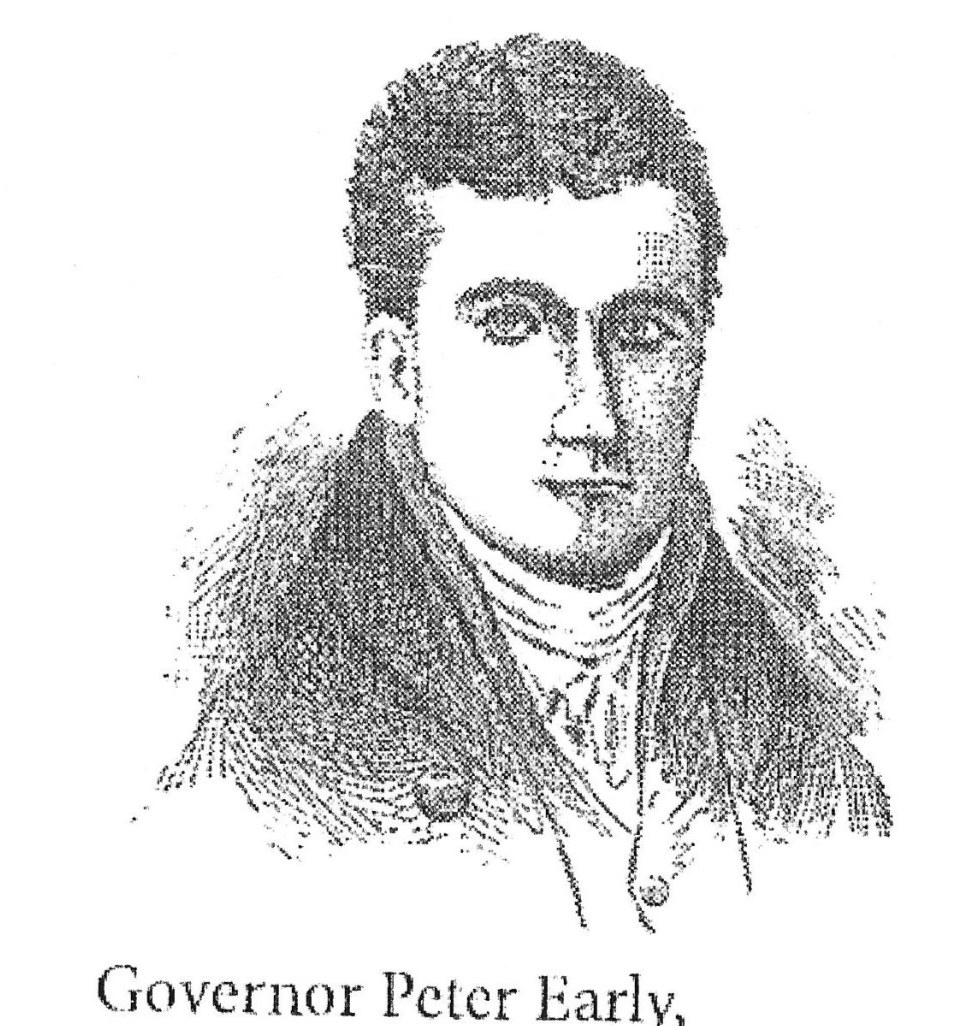
A dedicated public servant, Peter Early served as Governor of Georgia, as a United States Congressman and as a judge of the Superior Court, in a career cut short at forty-four.
His family’s land shaped the shoals long before the mills. In 1791 his father, the Virginian land baron Joel Early, bought 2,917 acres from the Revolutionary War veteran Joseph Pannell, added another 1,060 and named the whole plantation Fontenoy.
That estate later passed into the hands of Dr. Thomas Poullain, who bought 348 acres of it as part of the mill purchase of 1827, tying the governor’s family land to the cotton factory that would define the village.
Read the Fontenoy story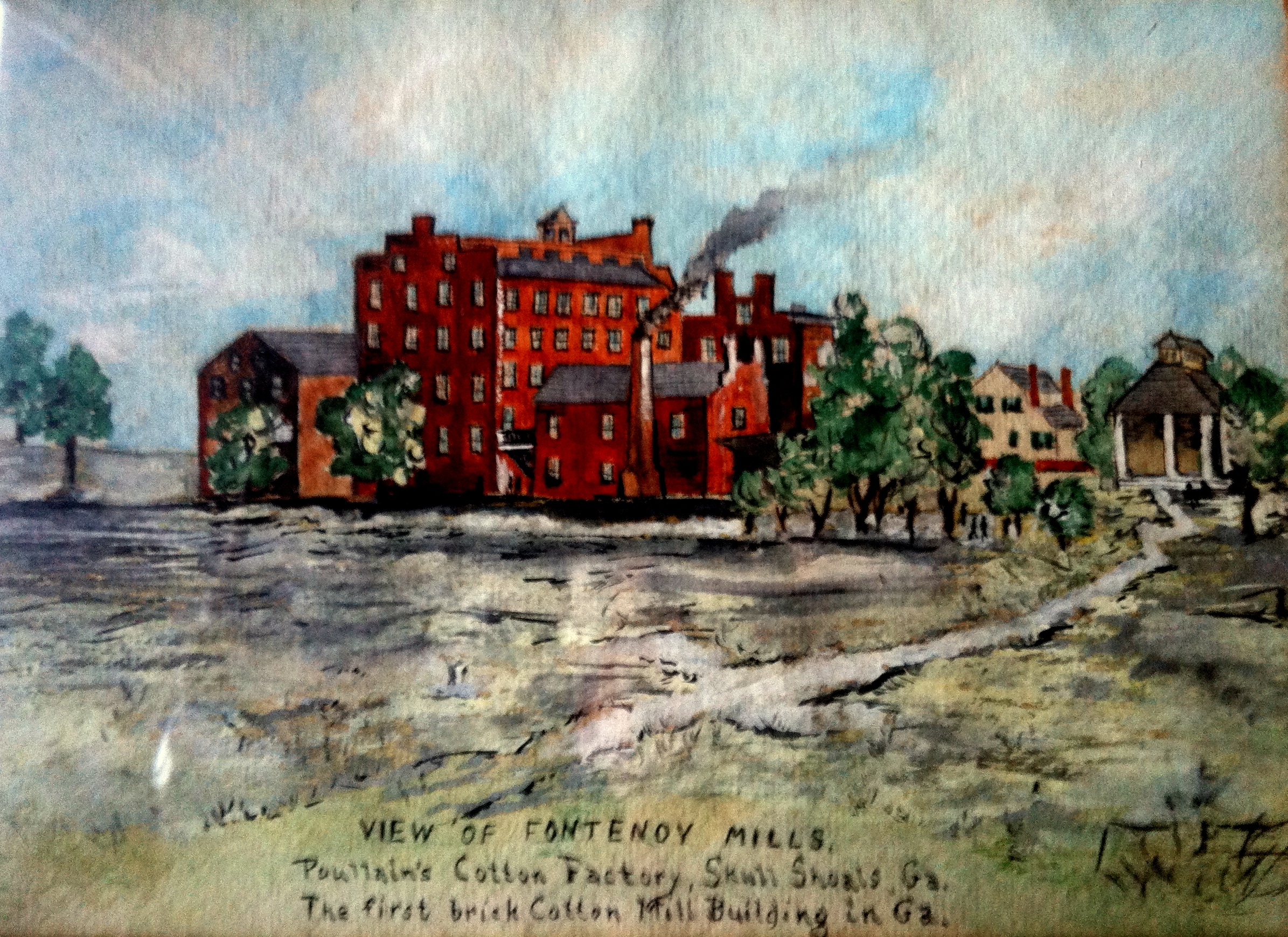
Adiel Sherwood
A powerful Baptist evangelist and educator, Adiel Sherwood is remembered as one of the figures whose energy and persuasion helped inspire the founding of Mercer University.
He travelled the same upland roads as the mill wagons, preaching, teaching and arguing for schools in a countryside that was still clearing its fields. Education, for Sherwood, was a form of mission work.
His long life, 1789 to 1879, spans the whole arc of Scull Shoals: from the first frontier grants, through the paper mill and the cotton empire, to the silence that followed the flood of 1887.
What the ground still holdsKeep the names alive
Their stories are kept by volunteers.
Friends of Scull Shoals researches these lives, replants the herb garden and leads walks through the village. Members and volunteers make all of it possible.